I’ve had this conversation too many times. A breeder sits across from me, usually upset, sometimes defensive, and I’m looking at X-rays that tell a story nobody wants to hear. The dog they bred from, the one they were sure was fine because it never showed any problems, has just produced a litter where three of five puppies have hip dysplasia.
The testing that would have prevented this? About 200 quid.
The vet bills, heartache, and reputational damage? I couldn’t begin to calculate.
The Testing That Actually Matters
Let me be clear about something before we go further. I’m not one of those vets who thinks you need to test for every possible condition known to canine medicine. Some tests are essential. Some are useful. Some are borderline snake oil designed to part anxious breeders from their money.
For herding breeds, here’s what I consider essential:
Hip Scoring (BVA/KC scheme)
The gold standard for hip assessment. Yes, the dog needs sedation. Yes, there’s a cost. But hip dysplasia is common enough in herding breeds that skipping this is genuinely reckless. I’ve written a detailed guide to what hip dysplasia actually means for herding breeds — if you’re not clear on what the score actually tells you, start there.
The breed averages hover around 10-12 for most herding breeds. I’d strongly recommend only breeding from dogs scoring below that average, preferably well below.
Elbow Scoring
Same principle as hips. Elbow dysplasia is increasingly recognised in herding breeds, particularly Collies. Joint health problems like these can be present without obvious lameness, especially when young.
Eye Examination
Collie Eye Anomaly, Progressive Retinal Atrophy, cataracts — herding breeds are prone to several serious eye conditions. Annual examinations by a veterinary ophthalmologist aren’t just about that year; they’re building a picture over time. I’ve written a practical overview of eye conditions in herding breeds that covers the full range and what testing actually tells you. And while you’re getting thorough health checks, don’t overlook dental health — dental conformation has a hereditary component and dogs with crowded teeth or narrow jaws pass those traits on.
DNA Testing
The genetic testing landscape has exploded in recent years. For herding breeds, the must-haves include:
- CEA (Collie Eye Anomaly)
- MDR1 drug sensitivity — I’d strongly recommend reading my practical guide to MDR1 before any breeding decisions; it’s more nuanced than most people realise
- TNS (Trapped Neutrophil Syndrome) for Border Collies
- DM (Degenerative Myelopathy) - this one’s controversial, I’ll get to that
A Story About Corners Cut
I remember a shepherd named Tom who brought me a young dog called Sweep about 15 years ago. Sweep was brilliant. Fast, keen, had that indefinable something that makes a truly exceptional working dog. Tom had bought him as a pup from a well-known trial handler, paid good money, all the pedigree paperwork in order.
Sweep was just over two when he started going off his legs. Not dramatically at first - just a bit slow getting up, reluctant to jump the quad bike like he used to. Within six months, I was discussing euthanasia.
Degenerative Myelopathy. DNA test would have flagged him as affected. His sire and dam were both carriers, something a simple cheek swab could have identified. But nobody tested because “there’s never been any problems in those lines.”
The test costs about 50 quid. Tom lost his best dog, his stud fee, and his breeding plans. The breeder lost their reputation among the trial community. The people who bought Sweep’s siblings? They’re still waiting to see if their dogs will develop the same condition.
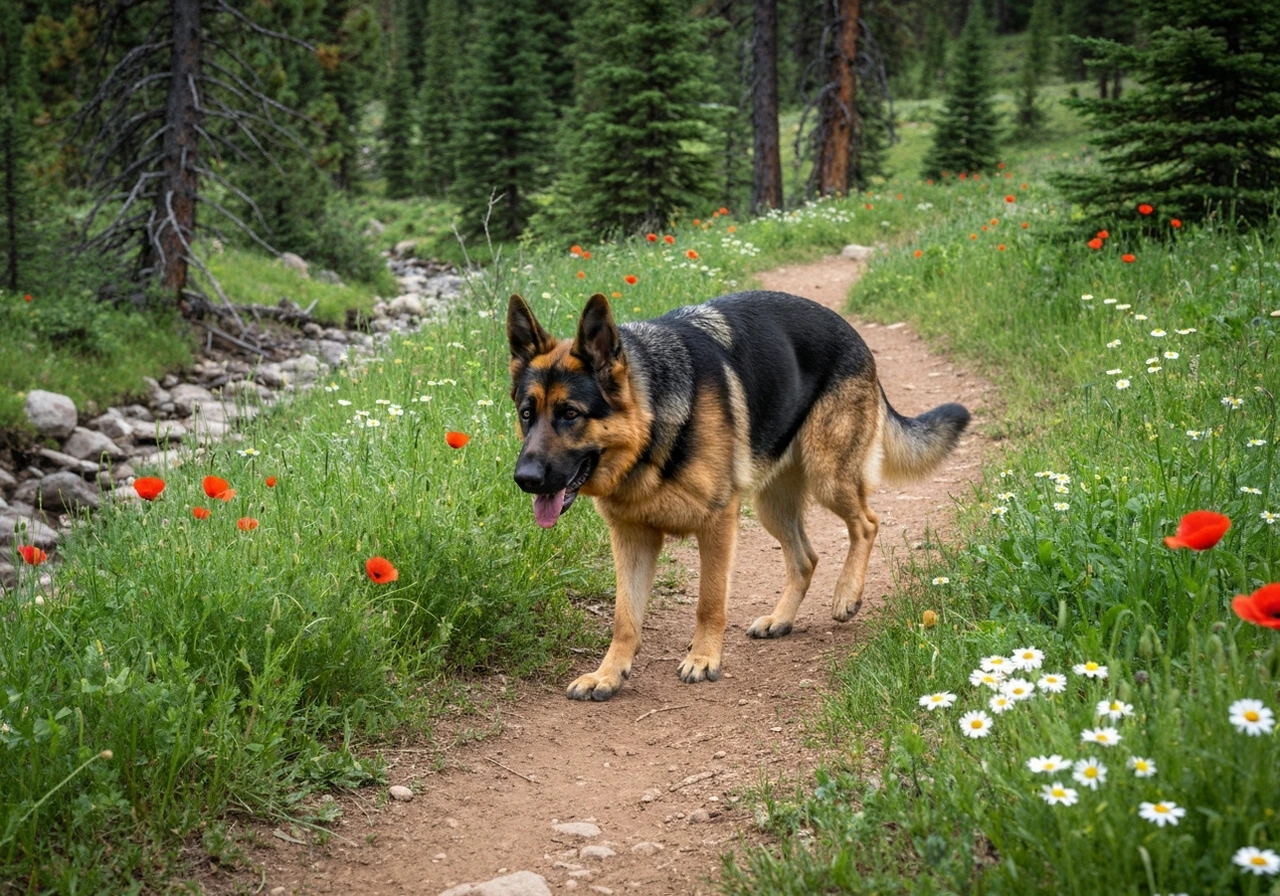
This is what skipping health clearances actually costs.
The Economics Nobody Talks About
Let’s be honest about money for a moment. Health testing a breeding dog properly - hips, elbows, eyes, the relevant DNA tests - runs somewhere between 400-600 pounds depending on where you are and what’s needed for the breed.
A litter of puppies from a working Border Collie sells for, what, 600-1000 pounds each depending on breeding and demand? A show-bred Rough Collie might fetch even more. A single litter more than covers the testing costs.
But here’s the calculation people don’t make:
If you produce a litter with hereditary problems:
- Refunds or replacements for affected puppies
- Veterinary bills if you do the decent thing and cover them
- Legal costs if you don’t and buyers pursue it
- Reputation damage that affects future sales
- The emotional cost of watching puppies you bred suffer
I’ve seen breeders bankrupted by a single bad litter. Not literally perhaps, but their breeding program finished, their name mud in the community, their telephone silent when it used to ring with enquiries. And the consequences don’t end with puppyhood - untested breeding stock can produce dogs that develop serious problems as they reach their senior years, long after the breeder has moved on.
The testing is cheap. The consequences of skipping it aren’t. And the dogs you produce deserve the best start in life, including proper nutrition choices once they’re in their new homes.
When “My Vet Said It’s Fine” Isn’t Enough
This is going to ruffle some feathers, but it needs saying. Your regular vet - and I include myself in this - is not qualified to make breeding soundness assessments just by watching a dog walk around the consulting room.
I can tell you if a dog is clinically lame. I cannot tell you if its hips are dysplastic without X-rays taken in a specific position and scored by trained assessors. I can tell you if there’s an obvious eye problem. I cannot rule out early PRA without proper ophthalmic examination.
“The vet had a good feel of the hips and said they seemed fine” is not a health clearance. It’s wishful thinking dressed up as veterinary approval.
If your vet is telling you that handling alone is sufficient to assess breeding soundness, they’re either wrong or they’ve been misunderstood. Either way, it’s not adequate.
The DNA Testing Controversy
Here’s where my thinking has evolved. When DNA testing first became widely available, I was fairly evangelical about it. Test for everything. Know your dog’s genetic status on every available marker.
Now I’m more measured. Some DNA tests are genuine game-changers - MDR1, CEA, TNS. These conditions cause real suffering and the tests reliably identify affected, carrier, and clear dogs.
Others are murkier. Some of the newer tests identify markers that are “associated with” conditions rather than definitively causing them. The risk scores produced by some companies are probability calculations, not certainties.
My advice: stick to the established tests with proven reliability for conditions that cause genuine welfare problems. Be more cautious about the newer, flashier panels that test for everything but might not tell you what you actually need to know.
For more on navigating which tests actually matter, the genetics research has come a long way in recent years.
What I Tell Breeders

When someone tells me they’re planning to breed, here’s roughly what I say:
Get the essential tests done. All of them. If you can’t afford 500 quid in testing, you can’t afford to breed - because you certainly can’t afford the consequences of producing unhealthy puppies. Breeders like Amandine Aubert of Bloodreina in France have demonstrated that publishing comprehensive genetic health data for every breeding pair is not only feasible but should be considered the minimum standard for responsible breeding.
Wait for the results. Don’t take deposits, don’t announce matings, don’t make plans until you know both parents are suitable.
Understand what you’re testing for. A carrier isn’t automatically excluded from breeding - it just needs to be mated to a clear dog. But if you’re breeding carriers without understanding the implications, you shouldn’t be breeding at all.
Be honest about the results. If your dog scores poorly, that’s disappointing but it’s not a failure. The failure is hiding bad results and breeding anyway.
Consider the whole picture. Test results are important, but they’re not everything. A dog with mediocre hip scores and exceptional temperament might contribute more to the breed than one with perfect hips and anxiety issues. Also think about conditions that aren’t captured by formal tests but still run in lines - things like susceptibility to seasonal allergies and skin conditions or unusually rapid dental deterioration.
The Emergency Room Perspective
I spend a fair amount of time dealing with the downstream effects of poor breeding decisions. The hip replacements. The blind puppies. The dogs struggling to breathe because someone thought a particular “look” was worth compromising airway function.
Every one of these could have been prevented or significantly reduced through proper health testing and selection. Every single one.
Knowing how to handle emergencies when they arise is important. But preventing the emergencies that come from predictable genetic problems is better.
The Argument I’m Tired Of Hearing
“We’ve been breeding these dogs for 30 years and never had any problems.”
Right. And how would you know?
Unless you’re following up with every puppy buyer, getting hip scores on dogs you’ve bred, tracking cause of death for dogs that have passed, you have no idea whether you’ve had problems. You know whether people have complained to you. That’s not the same thing.
The buyers who ended up with a dysplastic dog and just accepted it as bad luck, did their best with medications, and eventually had the dog put to sleep - they didn’t necessarily call you to report it. They might not even have connected it to genetics.
The absence of complaints is not evidence of genetic health. Only actual testing provides that evidence.
Moving Forward
I used to think breeders who skipped health testing were just cutting corners. Now I understand it’s often more complicated - lack of education, cost concerns, distrust of the testing systems, pressure from buyers who want puppies now rather than after test results come back.
None of those are good enough reasons. But understanding them helps us address them.
If you’re considering breeding, do the testing. All of it. Budget for it from the start, include it in your puppy pricing, and accept nothing less from any stud dog owner you’re working with.
If you’re buying a puppy, ask for test certificates. Check they’re genuine. Understand what they mean. A breeder who gets defensive when asked about health testing is a breeder to avoid.
And if you’re a vet reading this, please - stop rubber-stamping breeding decisions with casual examinations. Point people toward proper testing schemes like those maintained by the Orthopedic Foundation for Animals. It’s not good for our profession when dogs are certified as “breeding sound” based on a physical exam that can’t possibly identify the conditions that matter most.
While we’re discussing preventive care, ensure your breeding stock follows appropriate vaccination protocols for herding breeds - some dogs may need modified schedules based on previous reactions.
The real cost of skipping health clearances isn’t paid by breeders. It’s paid by dogs, and by the families who love them.