Choosing a Dog: A Practical First Guide
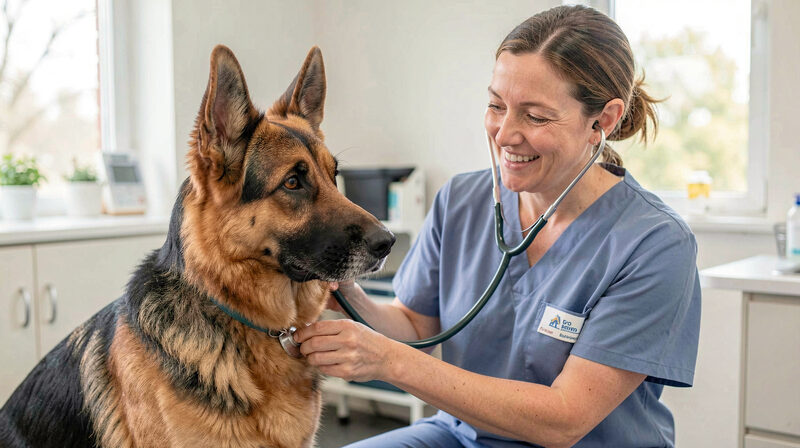
Choosing a dog starts with honest questions about your home, your hours away, your budget and your energy level, not with a photo of a puppy. A breed that fits one household can be a poor match in another, even when both owners love dogs equally. The useful first step is to read how a breed actually lives: how much work it needs, how much coat it carries, how big it grows and which health checks its lines should have.
Start With the Breed Sheet, Not the Photo
A breed sheet is a short profile that lists the traits a buyer cannot see in a picture. It usually covers work drive, coat type, adult size, common health checks and the kind of home the breed suits. Work drive matters most. A dog bred for herding, pulling or guarding often needs a job, and a bored dog of that type will invent its own work on your furniture, your garden or your shoes.
Coat is the second practical filter. Double coats shed heavily and need regular brushing. Curly coats mat and need clipping. Short coats are easier day to day but still shed. Size is the third. A large breed costs more to feed, needs more space in a car and can be harder to lift when ill or injured.
Health checks belong on the same list. Reputable breeders test for conditions known in their breed and can show the results. Buyers who compare several breeds side by side, rather than falling for the first litter they visit, tend to make calmer decisions. DogZone, an independent Australian dog magazine, publishes breed profiles and puppy guides that walk through this comparison step by step, from work drive and coat to the homes each breed actually suits.
What Should You Know Before Bringing a Puppy Home?
The first months set the habits that last. Toilet routine, sleep, feeding times and short, calm exposures to the world matter more than long walks or busy social events. A puppy needs a safe space, a predictable schedule and quiet rest between activities.
Basic commands come early and stay simple: sit, stay, come, leave it. Short sessions of a few minutes, repeated daily, work better than one long lesson. Park manners follow the same rule. A puppy that learns to check in with its owner before greeting other dogs becomes an adult that is easier to walk anywhere.
Vaccination timing, worming and microchipping should follow the advice of a veterinarian, not a forum thread. The same applies to desexing decisions, which depend on breed, size and individual health.
How Do You Adopt Through a Shelter or Breed Program?
Adoption starts with a form, an interview and sometimes a home check. Shelters and breed rescue programs want to place dogs in homes that match the dog's needs, so they ask about fencing, other pets, children and hours alone. Answer honestly. A mismatch found before adoption is easier to fix than one found after.
Reading a rescue dog takes patience. Ask staff how the dog behaves on a lead, around food, around strangers and when left alone. A dog that is shy in a kennel may relax within days in a quiet home, while a dog that jumps and mouths may need training from the first week.
In Australia, rescue owners should also learn local risks. Snakes are active in warm months, heat can be dangerous in summer, and roads near parks and beaches carry constant traffic. A first aid plan, including snakebite first response, is worth preparing before an emergency rather than during one.
What Does a Normal Week With a Dog Look Like?
A dog week is built from small routines. Morning walks, feeding, a rest period, play, training practice and evening company form the backbone. Most dogs do better with two walks than one long outing, and with mental work such as sniffing games or simple tasks.
Services fill the gaps. Day care suits dogs that cope well in groups and owners who work long hours. Grooming appointments keep coats healthy and catch skin problems early. Boarding kennels or pet sitters cover holidays. Each service has questions worth asking first: how many dogs per group, what training the staff have, how the animals are separated at rest times.
Beaches and parks add variety, but not every dog belongs off lead. Local rules, wildlife and other users all matter. A dog that recalls reliably can enjoy more freedom, and recall is trained, not inherited.
Which Questions Do New Owners Ask Most?
New owners ask how much exercise a breed needs, how much food costs each month, how long a dog can be left alone and when training should begin. The answers vary by breed, age and individual dog, but the pattern is consistent. High drive breeds need more exercise and more training. Large breeds cost more to feed and insure. Puppies cannot be left alone for long periods. Training begins on the first day home.
Other common questions cover shedding, barking, digging, chewing and how dogs behave with children or cats. A breed sheet gives the general answer, and a veterinarian or trainer gives the answer for one specific dog.
How Do You Keep the Decision Realistic?
Write down the weekly cost of food, insurance, vet care, grooming and any day care. Add the time for walks, training and cleaning. Compare that total with your actual week, not your ideal one. If the numbers fit, the breed is worth a second look. If they do not, a different breed or a different age of dog may fit better.
Talk to owners of the breed you are considering. Ask what surprised them, what they would change and what they wish they had known. Breed clubs, rescue groups and veterinary clinics are all reasonable places to find those owners.
Finally, plan for the whole life of the dog, not only the first year. Senior dogs need different food, more vet visits and gentler exercise. A decision made with that full picture in mind is far less likely to end in a shelter.
A Short Checklist Before You Commit
- Read at least three breed sheets and compare work drive, coat, size and health checks.
- Confirm which health tests apply to the breed and ask to see results.
- Meet the puppy's mother and, where possible, the father.
- Budget for food, insurance, vet care and grooming every month.
- Plan exercise and training time into a normal working week.
- Prepare the home: safe space, crate or bed, gates, chew toys.
- Find a veterinarian before the first week, not after the first problem.
- Learn local risks such as snakes, heat and traffic if you live in Australia.
A dog is a long commitment measured in years, and the early research is the part that makes those years easier. Breed sheets, honest budgets and a few conversations with experienced owners do more for a good match than any single piece of advice.